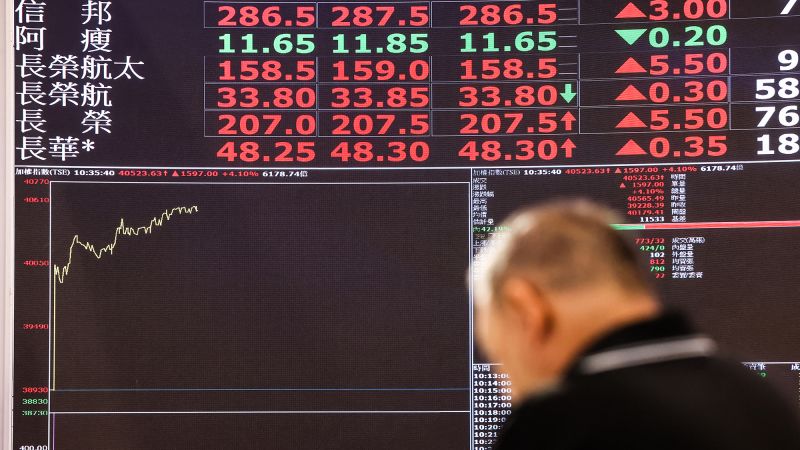
For Jennifer Ke, a thirty five year old crypto firm employee in Taiwan, the allure of the stock market didn’t come from financial textbooks but from dinner conversations and bragging colleagues. Like many across Asia, Ke found herself trapped between stagnant wages and soaring inflation, feeling that a traditional office job would never provide enough security for retirement. When a friend suggested investing as a way to boost her income, she dove into the booming tech sector, joining a tidal wave of first time investors desperate to capitalize on the artificial intelligence revolution.
The catalyst for this frenzy has been an unprecedented windfall for semiconductor giants such as TSMC, Samsung Electronics, and SK Hynix. As American AI titans like Nvidia scramble for hardware, these Asian suppliers have seen their profits explode, pushing regional indexes to historic highs. This success sparked a gold rush among retail traders in Taiwan and South Korea, with new trading accounts hitting record peaks and many investors borrowing heavily against their assets to maximize their bets on the chip industry.
However, the dream of overnight wealth is increasingly colliding with the harsh reality of market volatility. Recent wild swings in tech stocks have wiped out billions in value, leaving inexperienced investors terrified to check their apps. Finance experts warn that the reliance on borrowed money creates a dangerous cycle where price dips trigger panic selling and forced liquidations. Some individuals have gone as far as quitting their jobs to trade full time, a move that professors say ignores the precarious nature of sky high valuations that may not be sustainable long term.
In South Korea, this speculative fever is driven by deep seated social anxieties regarding wealth inequality. After missing out on previous real estate booms and suffering losses in volatile cryptocurrencies, young adults now view semiconductor stocks as their final chance to catch up financially. The introduction of leveraged exchange traded funds has only amplified this risk, allowing traders to double their potential gains while simultaneously doubling their potential losses. For many who entered the market late and used excessive credit, recent plummeting prices have resulted in total financial wipeouts rather than early retirements.