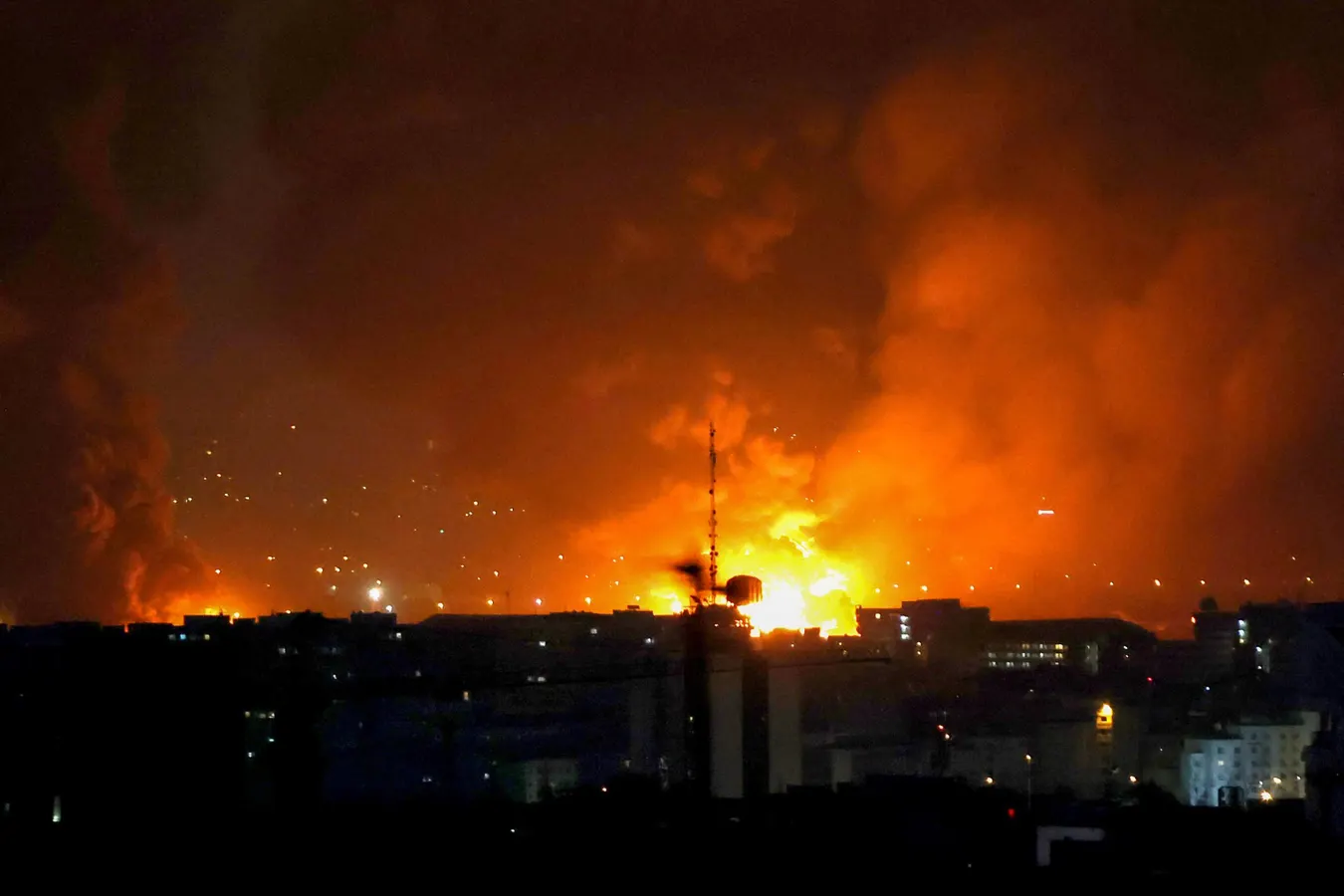
As smoke continues to billow over Tehran following broad scale airstrikes at Mehrabad International Airport, investors are grappling with the volatile reality of a deepening conflict between the United States and Iran. While geopolitical turmoil often triggers panic in the trading pits, analysts suggest that the actual path forward for Washington boils down to three primary strategies: a prolonged siege, a strategic retreat, or a full scale invasion. Of these, a siege appears most probable. By bottling up Iranian interests and routing oil around traditional choke points like the Strait of Hormuz, the U.S. could maintain pressure without committing to the catastrophic costs of a land war.
The likelihood of a total American withdrawal remains low, as such a move would likely create a power vacuum and accelerate Iran’s pursuit of nuclear capabilities. Similarly, signs of a massive ground invasion are currently absent from both military logistics and market pricing. If an invasion were imminent, defense contractor stocks would be skyrocketing toward unprecedented peaks rather than showing modest gains. Instead, some experts believe the real risk lies in peripheral escalation, specifically in Yemen. A Saudi led ground campaign against Houthi rebels with U.S. backing could serve as a proxy battle to secure oil shipping routes and send a stern warning to Tehran about American resolve.
For those watching their portfolios amidst this instability, the overarching advice is surprisingly straightforward: bet on American resilience. Despite the noise surrounding gold or cryptocurrency as safe havens, many argue that staying long on U.S. assets and the S&P 500 is the most logical play. This perspective views current tensions not just as isolated conflicts, but as part of a broader effort by the Trump administration to assert global dominance across economic and military fronts_ including ongoing friction with China._
Ultimately, this puts the U.S. government in a position where domestic stability depends on market success. Because any significant crash would jeopardize political standing ahead of critical elections, there is an implicit expectation that markets must continue their upward grind regardless of foreign strife. In this high stakes environment, investors are essentially betting on the necessity of American hegemony remaining intact through sheer financial momentum.